Full-scale commercialization of a JCM Project to Reduce Methane Emissions from Rice Paddies in the Philippines A collaboration model proven in the pilot now scales into one of the largest agricultural JCM projects in ASEAN
March 5, 2026
Kubota Corporation
Creattura Co., Ltd.
Tokyo Gas Co., Ltd.


Kubota Corporation (Head Office: Naniwa-ku, Osaka; President and CEO: Shingo Hanada, "Kubota"), Creattura Co., Ltd. (Head Office: Chuo-ku, Tokyo; CEO: Tomomichi Hattori, "Creattura"), and Tokyo Gas Co., Ltd. (Head Office: Minato-ku, Tokyo; President and CEO: Shinichi Sasayama, "Tokyo Gas") have agreed to move forward with the full-scale commercialization of a Joint Crediting Mechanism (JCM)*1 project in the Philippines (the "Project"). The Project promotes the Alternate Wetting and Drying (AWD)*2 water management practice, which is expected to reduce methane emissions from rice paddies under the JCM framework. Building on joint pilot results, the three companies will deepen their partnership, strengthen trust with local authorities and farmers, and work together to deliver a stable supply of high-quality, reliable carbon credits.
Launched in September 2023, the Project began as a pilot to promote AWD in the Philippines and register it as a private JCM project*3. Working closely with the National Irrigation Administration and other local partners that operate irrigation facilities, the Project has actively supported farmers and contributed to local communities, thereby earning the trust and support of local stakeholders. As a result of this co-created approach, 10,000 farmers have joined. The area covered has expanded to about 14,000 hectares as of the end of 2025, making it the largest private AWD JCM project*4. The Project will expand the area to about 40,000 hectares by 2029.
Key initiatives under the Project:
• Farmer training programs to advance agricultural practices*5
•Benefit-sharing that returns a portion of credit revenue to local stakeholders
• Large-scale deployment enabled by a digital MRV*6 platform that streamlines field operations while ensuring transparency
-
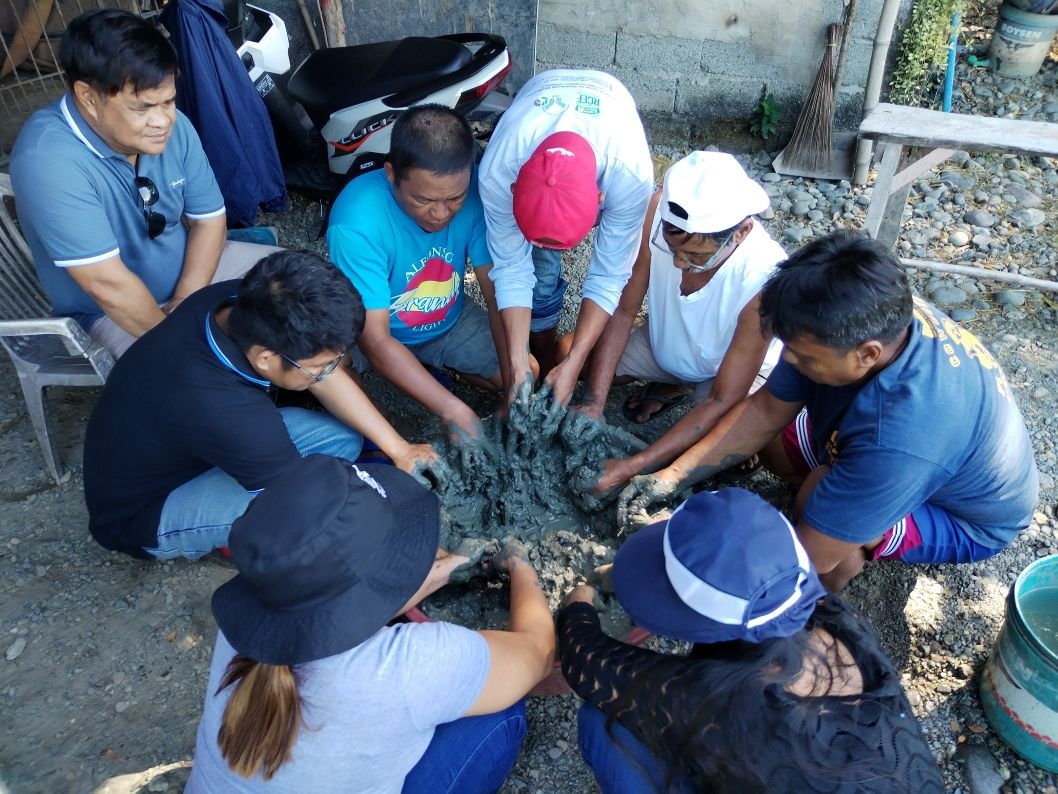
Training sessions
-
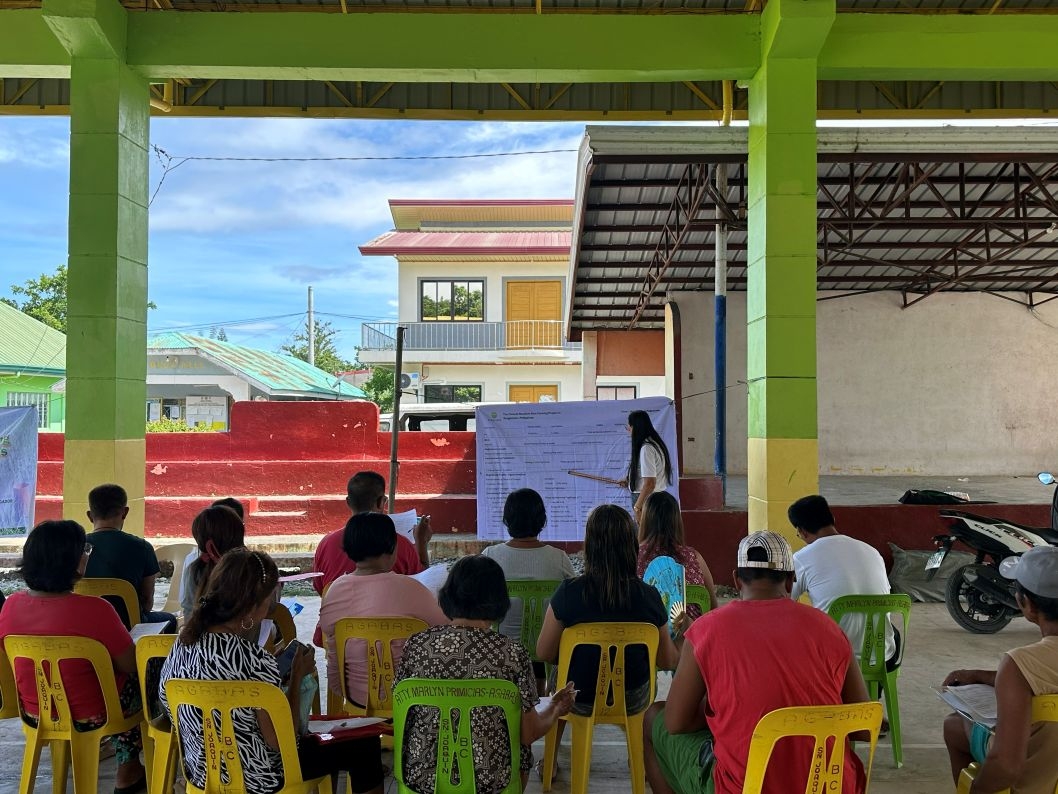
Farming school
-
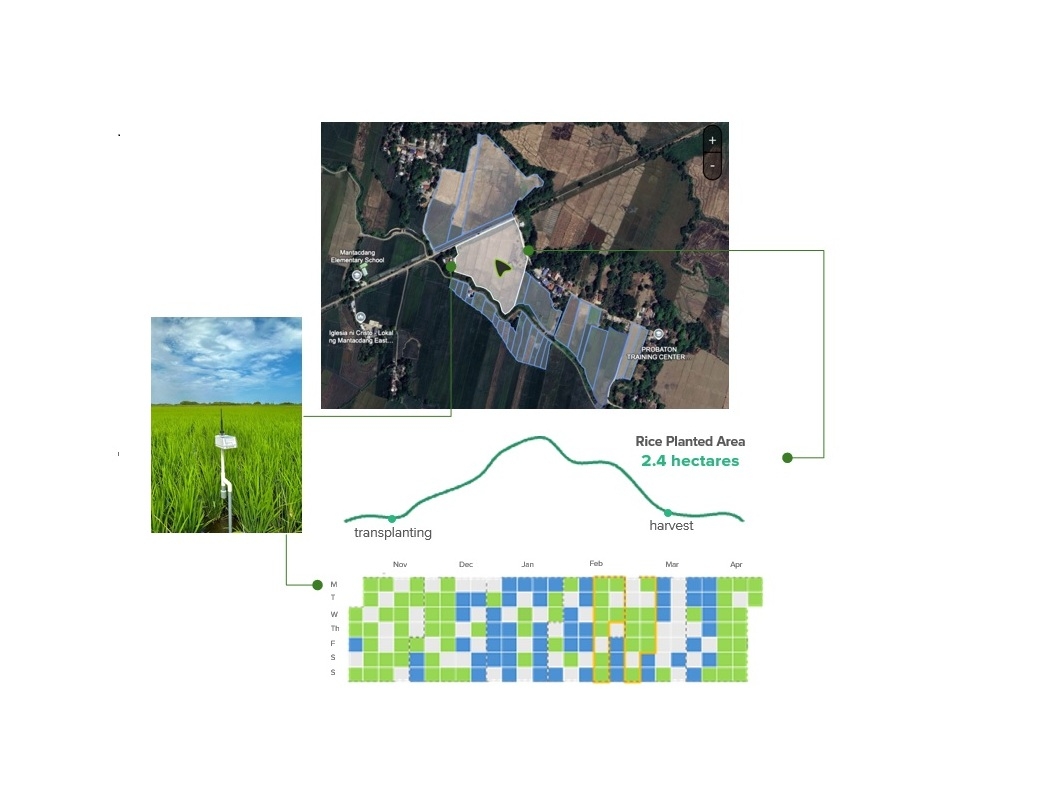
Digital MRV using AI and satellite data
The Project is now in the final stage of third-party*7 verification. Following approval by the JCM Joint Committee*8 of Japan and the Philippines, it is expected to become the first private JCM project registered in the agriculture sector. Ahead of the full launch of Japan's emissions trading system (GX-ETS)*9 in FY2026, JCM is gaining importance as a key decarbonization pathway for Japan. Through the stable supply of JCM credits generated by this Project, the three companies will contribute to a carbon-neutral society and the spread of sustainable agriculture.
Reference 1: Project Overview
| Project period | September 2023 – December 2036 (including the pilot phase) |
|---|---|
| Location | Pangasinan Province, Republic of the Philippines |
| Rice paddy area | Approx. 14,000 hectares |
| Participating farmers | Approx. 10,000 households |
-
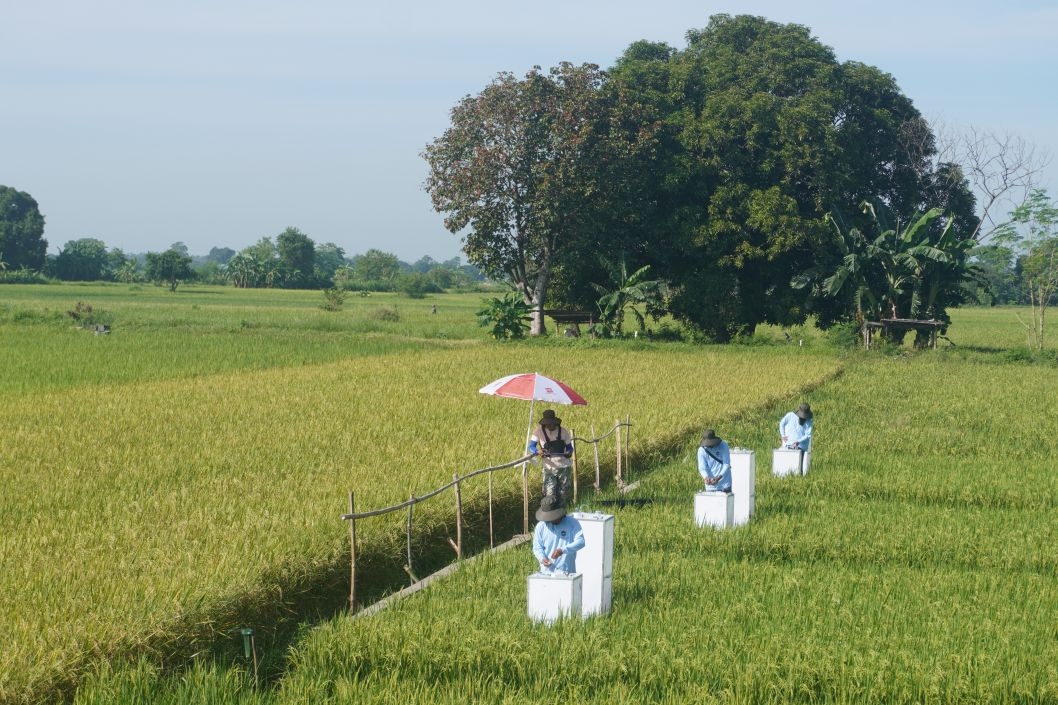
Gas sampling
-
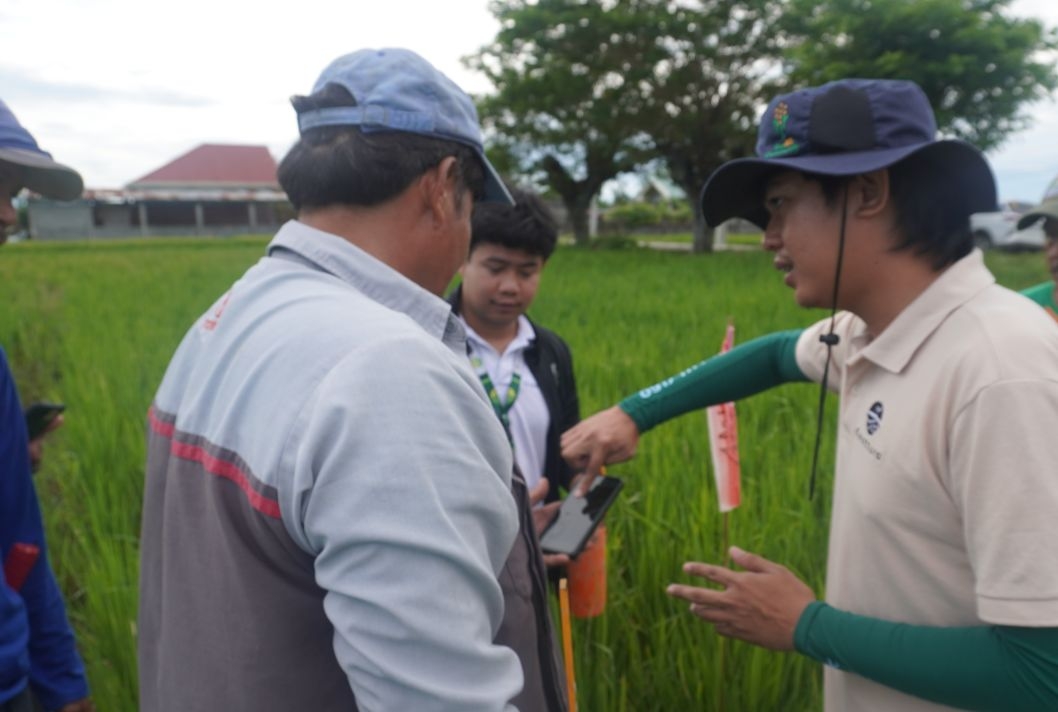
Explaining monitoring methods to local partners
-
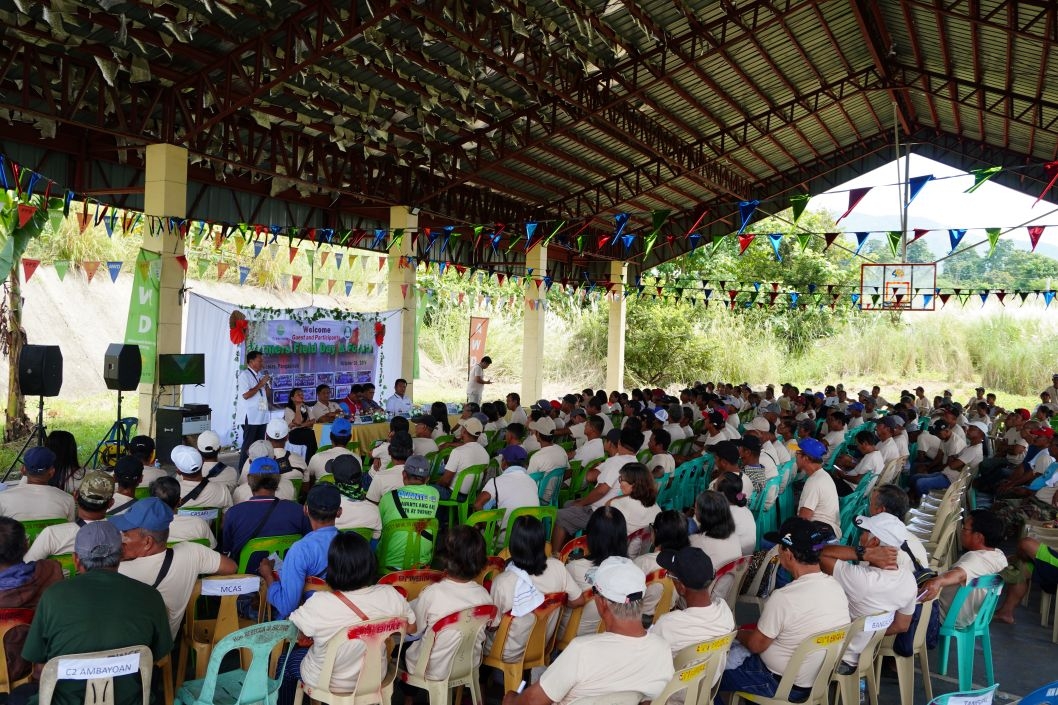
Farmer briefing session
Reference 2: AWD
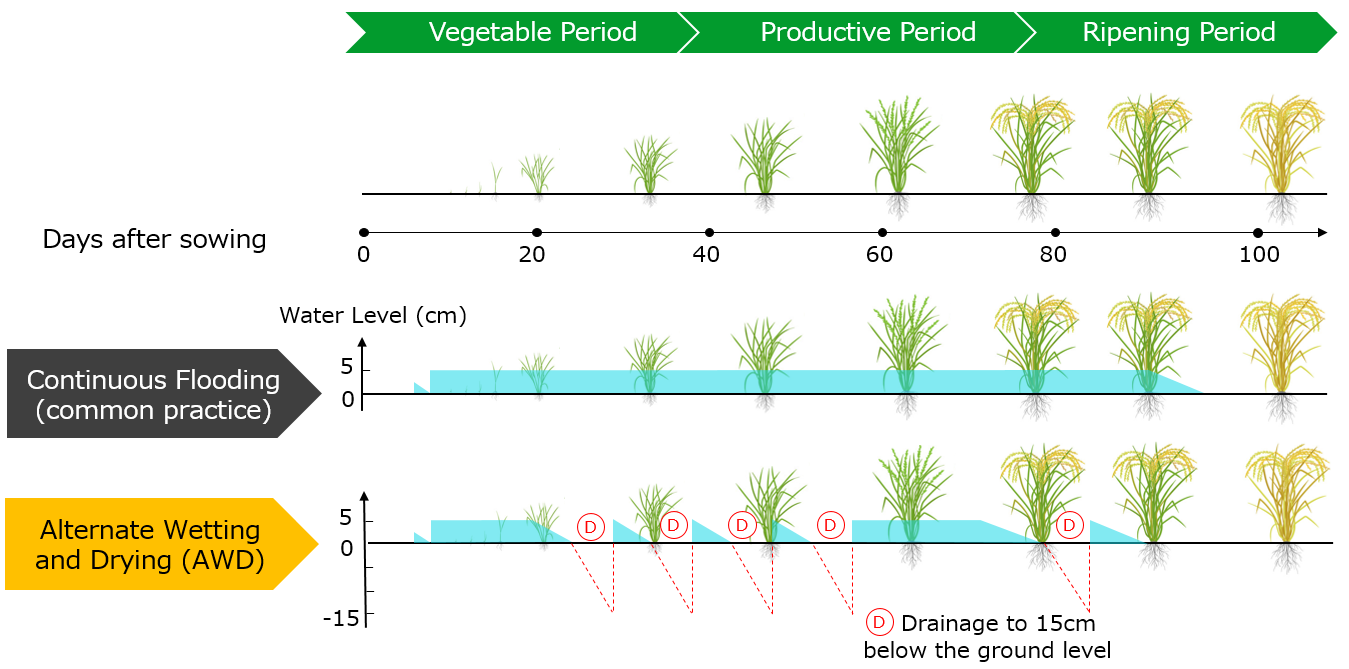
AWD is a water‑management practice in which rice paddies are repeatedly drained and flooded during the growing season. Methanogenic bacteria exist in paddy soils and generate methane—a greenhouse gas—by consuming organic feed such as rice straw under anaerobic conditions. By periodically draining the paddies and supplying more oxygen to the soil than under continuous flooding, the activity of these methanogens is suppressed, resulting in lower methane emissions.
Illustration of AWD*10
Methane has a global warming potential 28 times that of CO2 and is the second-largest driver of warming after CO2. In the Philippines, where rice cultivation is widespread, methane emissions from rice paddies are estimated to account for approximately 20% of total greenhouse gas emissions across all sectors*11. AWD can reduce methane emissions from rice paddies by an average of 45% and cut irrigation water use by up to 30%*12. Thus, AWD is attracting attention both as an effective GHG mitigation option and to improve rice productivity through more efficient irrigation water use. In this Project, training programs for participating farmers also provide proper nutrient management and pest/disease control to support stable rice production.
Comments from the Companies
Kubota: This initiative contributes to the sustainable development of agriculture and society. By combining the expertise and capabilities of Creattura and Tokyo Gas with Kubota's long-standing networks and experience in the agricultural sector, we aim to build a sustainable model that creates environmental value while supporting local communities.
Creattura: We are delighted to proceed this Project into full-scale commercialization together with Kubota and Tokyo Gas. Building on the collaboration model developed through the pilot, we will leverage our AI technology to help implement a system that achieves both higher agricultural productivity and decarbonization. We will continue contributing to a sustainable society through collaboration with our partners.
Tokyo Gas: We are very pleased to have agreed on the full-scale commercialization of this Project, which has been developed by combining the strengths of Kubota and Creattura. Going forward, decarbonization efforts will shift from disclosure to actual implementation. Alongside reduction and substitution, Tokyo Gas will continue to provide offset solutions as an important option for our customers.
-
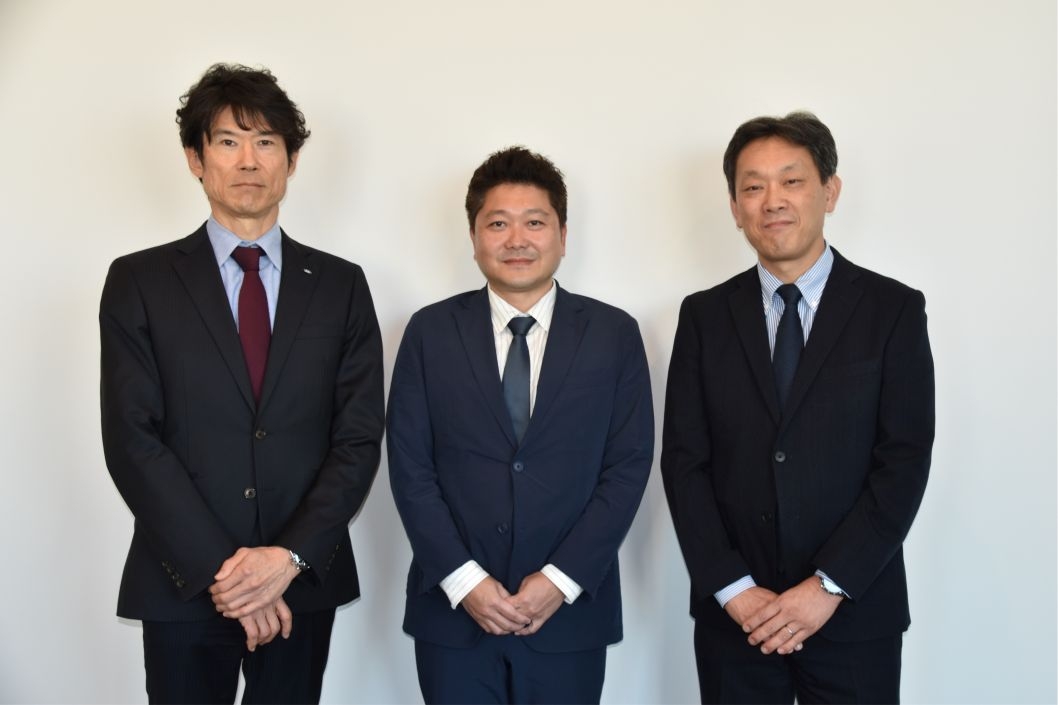
(From left) Katsushi Tsujimura, General Manager, Business Innovation Unit, Kubota; Tomomichi Hattori, CEO, Creattura; Tetsuya Iwata, General Manager, Solution Business Promotion Dept., Tokyo Gas
- *1. Joint Crediting Mechanism: A bilateral mechanism under which Japan shares credits with partner countries by providing low-carbon technologies, products, systems, services, and infrastructure that contribute to GHG reductions and sustainable development.
- *2. Alternate wetting and drying (intermittent irrigation). NARO website: https://www.naro.go.jp/project/results/4th_laboratory/niaes/2017/niaes17_s12.html
- *3.Private JCM: A JCM scheme primarily financed by private funds under which credits are issued to project entities.
- *4. Based on the Project Design Document (PDD) submitted to the Joint Committee of Japan and the Philippines. The PDD includes monitoring methods and estimated emission reductions and is required for registration.
- *5. Training covers AWD practices as well as seed selection, soil management, nutrient/fertilizer management, and pre-/post-harvest practices.
- *6. Creattura's LynxAWD digital MRV platform. MRV stands for Measurement, Reporting and Verification. AI and satellite data support water-level measurement; an offline-capable photo app “Fieldsnap” also enables plot-level monitoring and record-keeping, balancing transparency with labor savings at scale. https://www.creattura.com/news/260226
- *7. A third-party entity designated by the Joint Committee to validate projects and verify GHG emission reductions and removals.
- *8. A committee of representatives from Japan and partner countries that adopts rules and guidelines, approves methodologies, registers projects, determines JCM credit issuance, and notifies governments.
- *9. An emissions trading system that allocates emission allowances to companies above certain GHG thresholds and enables trading of surpluses/shortfalls to drive reductions.
- *10. Diagram prepared by Creattura with reference to JIRCAS website: https://www.jircas.go.jp/ja/program/proc/blog/20220712
- *11. Kubota estimate based on FAOSTAT and Climate Watch (CAIT) datasets.
- *12.JIRCAS website: https://www.jircas.go.jp/ja/publication/gars-j/2